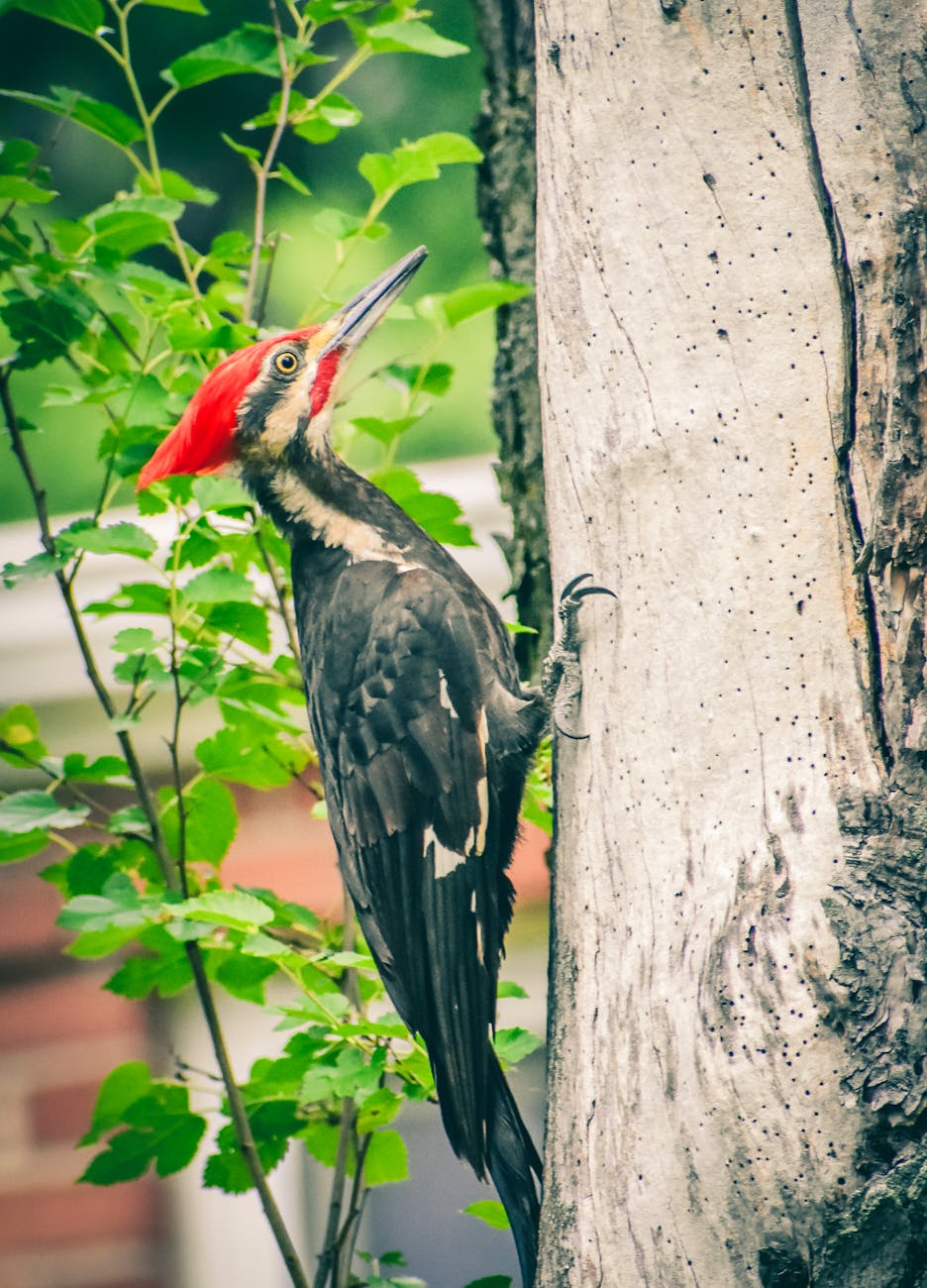
This bird is clinging on to the tree. Get it?
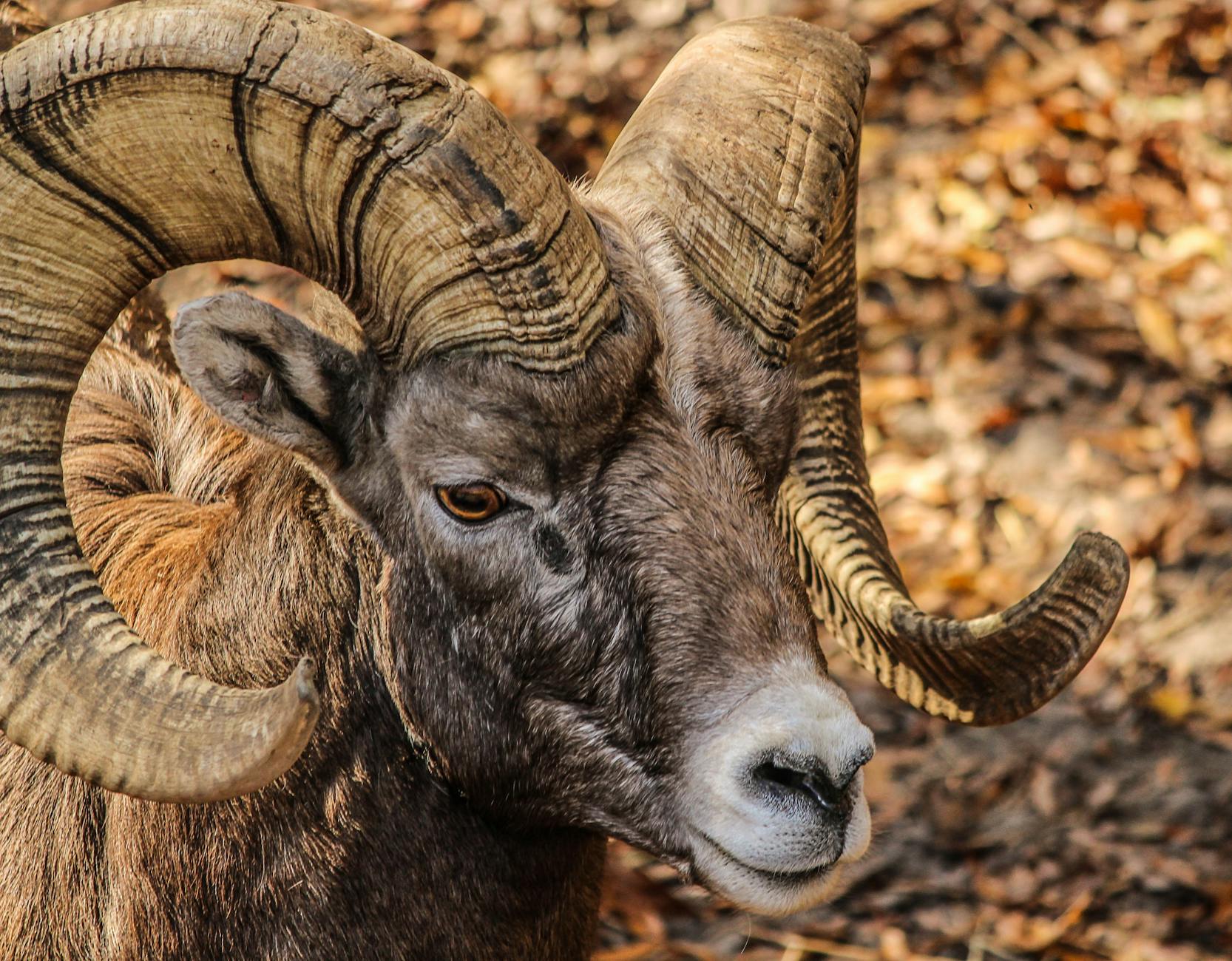
I’m sorry. I use stock images for these posts as I am unsure where the line is with using images from the show. There seems to be contradictory information. So in lieu of having a picture of a Klingon the bird will have to do.
Yes. This is the first appearance of the Klingons in Star Trek. It is arguable but I think the Klingons are the most important aliens in all of Trek.
I have liked the Klingons for as long as I can remember. When I first saw them it would have been in TNG. I am pretty sure I used ‘Worf’ as my pseudonym for a school Eisteddfod. Also my brother and I dressed up as Klingons for a school fete in 1999. (TNG Klingons we had paper-mache foreheads)
The opening scene of this episode is efficient. It establishes that the Klingons are an ongoing threat. They are neither new, like the Gorn, or a returning enemy like the Romulans.
We are to proceed to Organia and take whatever steps are necessary to prevent the Klingons from using it as a base.
Kirk – Errand of Mercy
The Enterprise is attacked. They are able to easily destroy the attacker – a little too easily in my book. Then they get word they are at war with the Klingons.
Curious how often you humans manage to obtain that which you do not want.
Spock – Errand of Mercy
I have always found this an odd thing for Spock to say. It is a Federation/Klingon war not just Earth. If there is a failing here, and Spock implies there is one, then surely it isn’t just a human failing.

Kirk leaves Sulu in command while he and Spock beam down to the planet.
I find myself wondering, and this is a nitpick, how does Kirk decide where to beam down?
Imagine if aliens wanted to make contact with Earth. Where would they beam down? The logical place might be the UN. Now imagine it four hundred years ago. My knowledge of that time is limited (read non-existent) but I think it is fairly safe to say there would not be an obvious location.
Kirk and Spock don’t even seem to take any precautions. They just beam down in the centre of town. The episode does acknowledge that it is strange that the people don’t react. That does fit in with the mystery that will be revealed later.
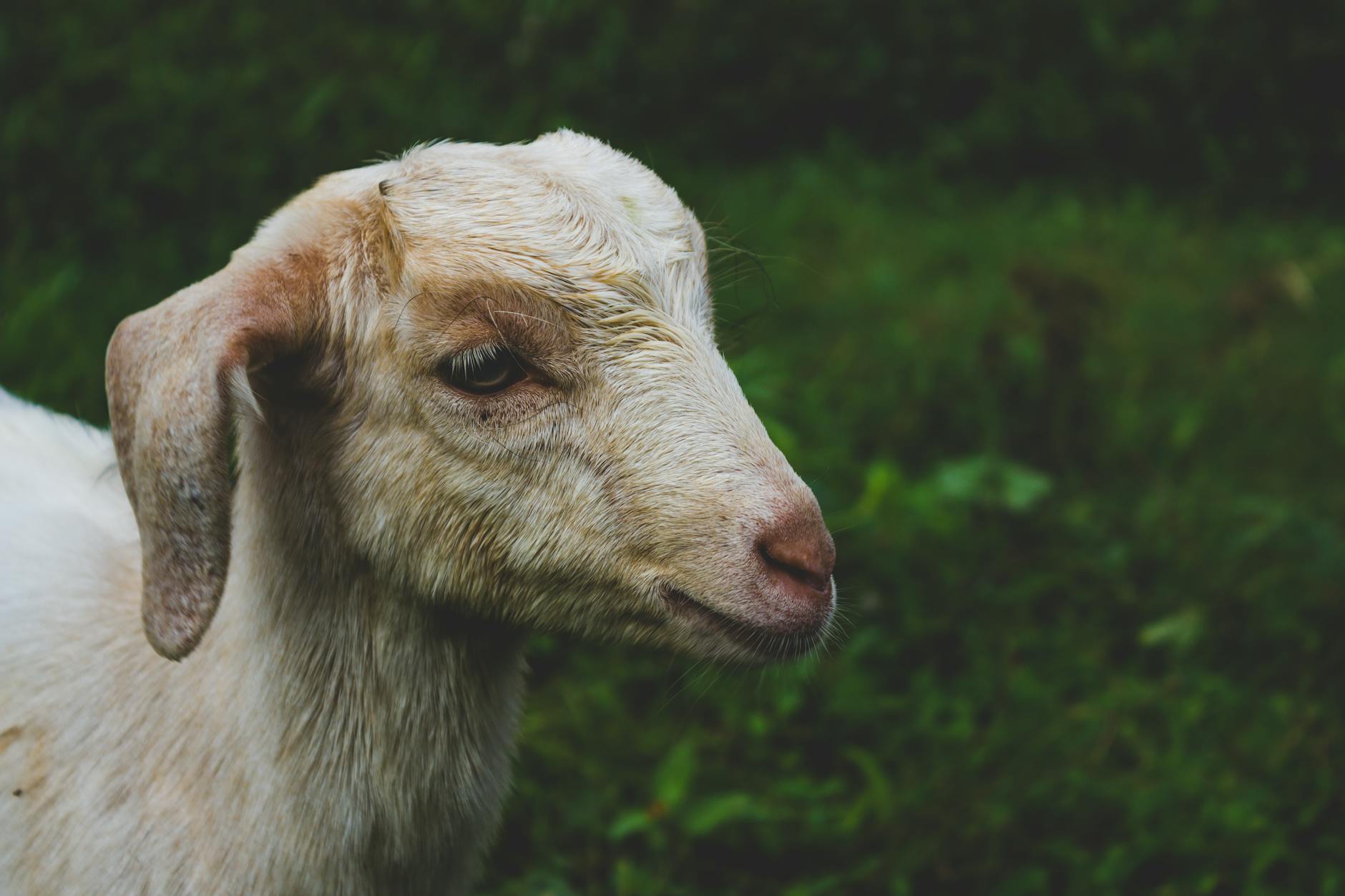
As well as these people looking exactly human there is also a creature that looks very much like a goat. I know. I know – I am really picking nits now.
As it turns out Kirk and Spock are in exactly the right place. About two seconds after materialising they are approached by Ayelborne. He claims not to be in a position of authority but is also the chairman of the Council of Elders. That feels like the very definition of authority to me.
This scene feels like arriving in London and running into the PM within a few minutes. Given how the episode unfolds it does make sense. Kirk and Spock don’t seem surprised at this development. Then again Kirk is probably glad of the good fortune and Spock would never lower himself to display emotion.

It would be unfair of me to be to nitpick too much. Kirk and Spock’s good fortune is hinting at something more going on. This is also shown by the fact that the Organins have automatic doors. I didn’t actually notice that until I read a review that pointed it out.
Here’s an interesting bit. When Kirk talks to the council he calls himself a ‘soldier.’ Roddenberry was resistant to the idea of Starfleet being a military. To me it is. I mean if it looks like a duck…
The council doesn’t wish any help from the Federation. Kirk tries to assure them that dealing with the Klingons would be very bad indeed.
We are moved. But again we assure you we are in absolutely no danger. If anybody is in danger, you are, and that concerns us greatly. It would be better if you returned to your ship as soon as possible.
Ayelborne – Errand of Mercy
Incidentally I love the presentation of Ayelborne. I am not quite sure how to express it but his sense of smug serenity makes the performance most enjoyable.
It is too late for Kirk and Spock to leave. The Enterprise is under attack. They can’t beam through shields. (This week.)
The arrival of the Klingons, in orbit and on the surface, is reported by Trefayne, a member of the council. He doesn’t check any scanning device and just seems to know. Another hint that these people are not as they seem.
Kirk and Spock are provided with native clothing so as to blend in. Kirk already looks like an Orgainia but Spock needs a cover story – a Vulcan merchant – he could have also worn a hat.

I know it is petty to point this out but Kirk, your mileage may vary, looks as much like a Klingon as he does an Organian. It is just one of the things we have to accept in fiction – like the one-size-fits all uniforms seen in many films and TV shows.
The Klingon make-up might be considered racist. I am white so I do not think it is my place to comment on that. However if I don’t mention it it will be an elephant in the room.
Kor, played by John Colicos, arrives and let me say he nails this performance. It would’ve been very easy for Kor to be a one note villain but he isn’t. Like the Romulan commander (Balance of Terror) and Khan (Space Seed) Star Trek continues the trend of complex villains.
The Organians offer no resistance to the Klingons. Given that Kor is here as a military governor this should be a boon to him. However that is not how Kor sees it.
Kor believes in the superiority of his race. The fact that the Organians just accept subjugation just reinforces that belief. Kirk (With the alias Baroner) doesn’t just capitulate. Kor is impressed.
Well, have we a ram among the sheep? Do you object to us taking (Spock)?
Kor – Errand of Mercy
Klingons want to respect their enemies. This is a consistent trait about them. The Organians are unworthy of respect because they won’t stand up to invaders.

Kirk is taken to Kor’s headquarters. As is to be expected the Klingons have some harsh rules for the population to follow.
The non-canon comic book (My apologies if I have the wrong terminology.) ‘Blood Will Tell’ shows that Kor doesn’t like the idea of killing unarmed civilians but will do so if ordered to. That is not in the episode of course but I find it interesting.

Spock’s mental discipline is able to deceive the Klingon’s mind scanner. For the moment their cover remains intact.
Kirk and Spock blow up a Klingon munitions dump – which soon leads to Ayelborne telling Kor who Kirk and Spock really are.
Kor is pleased but he regrets that he will not now get the chance to face Kirk in battle.

Kor and Kirk talk. I like this scene. Kor respects Kirk and Starfleet. It is not something often seen. Klingons tend to assume that because the Federation tries to avoid war they are weak – but if pushed the Federation can be deadly
I realise I am using future knowledge here but I find it interesting to look at the consistency (or lack there off) between the Klingons over several series.
Kor comments that the Klingons and the Federation are very much alike. Kirk sees things differently as the Federation is democratic.
Come now. I’m not referring to minor ideological differences. I mean that we are similar as a species. Here we are on a planet of sheep. Two tigers, predators, hunters, killers, and it is precisely that which makes us great. And there is a universe to be taken.
Kor – Errand of Mercy
Ready for a silly nitpick? I am amazed at how well versed Kor is in Earth animals. It could also be that he is saying the names of Klingon animals and it is translating. I know. I know. Pick. Pick. Pick.

I first saw Kor over in DS9. This might give me a different perspective on the character. However in this story he is certainly the villain.
Kor gives Kirk twelve hours to answer his questions or he will use the mind scanner. Again this is an example of the Klingons having respect for their enemies. (I can’t imagine a Cardassian or a Romulan being so generous.)
Kirk and Spock are incarcerated in Kor’s compound. After six of the 12 hours, give or take a few minutes, Ayelbourne comes to release them. Kirk and Spock don’t trust Ayelbourne. It is because of the Organians that they are in this mess. However, as Ayelbourne points out they don’t really have a choice.

When the Klingon guard reports his salute leaves much to be desired. The picture to the left is from WordPress’ new AI system. It came out quite well I think. The salute in the episode looks like a naughty child defending himself to a strict teacher.
Kor has 200 Organians killed because someone helped Kirk and Spock escape. He threatens that more will die unless Kirk and Spock are handed over.

Despite these murders the Organians maintain their total serenity. They seem to be extreme pacifists even when their people are actively being killed.
Kirk and Spock are allowed to have their weapons back. Even in this situation Kirk is resistant to killing.
Incidentally Kirk says that the Federation has invested money in his and Spock’s training. I have no idea why the no money idea was brought in later. However here and now the Federations still use it. (In the Voyage Home money is shown as an alien concept to Kirk.)
We get another hint that something is afoot with the Organians – as they talk about stopping the violence.
Kirk and Spock make it to Kor’s office. Before any violence can happen though we get the reveal. The Organians are not as they seem.

When anyone tries to touch their weapons, or even each other, in a violent manner, they experience extreme heat. I assume it is a mental thing as there are no signs of burns on anyone’s skin.
The Organians reveal themselves to be glowing energy beings. They are not going to allow the war to happen.
One interesting titbit is that they say that the fleets are immobilised wherever they are. Which would mean that some of the ships would be on missions that have nothing to do with the war. I am going to go out on a limb and assume this is a similar situation to The Day the Earth Stood Still. In that film aliens cut off all power on Earth. However they do make an exception for instances where doing so would cause harm. So if, for example, a Federation vessel was using its weapons to stop an asteroid then I guess that would be allowed.

Kirk and Kor both protest the Organins interference. Kor even says ‘…we can handle them…” I love the irony of, almost, suggesting an alliance to be allowed to fight a war against those with whom you are allied.
Kirk argues that the Federation has the right to…well he is cut off mid sentence…
To wage war, Captain? To kill millions of innocent people? To destroy life on a planetary scale? Is that what you’re defending?
Ayelborne – Errand of Mercy
War is a difficult topic to discuss. I am far too stupid to be able to talk about it. So much has been said about it down the centuries. I feel that war is sometimes necessary. I also feel that we don’t always exhaust other possibilities first.
In this story the Federation view point is that the Klingons are an expansionist threat. The Klingons view point is that the Federation is trying to cut off supplies. The Organians think that since both are prepared to do violence the difference is negligible.
George, the British Empire, at present, covers a quarter of the globe, while the German Empire consists of a small sausage factory in Tanganyika. I hardly think that we can be entirely absolved of blame on the imperialistic front.
Blackadder – (Blackadder Goes Forth – Goodbyeee)
While this is, obviously a joke, I think it speaks to the heart of the matter. The Federation are the good guys but that doesn’t mean that sometimes they might be at fault. In Star Trek, as a whole, I think they show times when the Federation was provocative and when they went too far in the other direction.
Kor meets the news that there will be no war with quiet resignation.
A shame, Captain. It would have been glorious.
Kor – Errand of Mercy
This is a fantastic episode but I feel it has to be viewed in a bit of a vacuum. The Organians stop this war but what about all the other wars? Admittedly we are getting into some TNG/DS9 stuff here but, it feels like the Federation is always in conflict. The most reasonable explanation is that all this is happening in the Organian’s backyard. Even highly evolved beings are not immune to NIMBY.
I don’t think this is exactly a message show but showing how a conflict looks from the outside is certainly interesting.

Kor points out the similarities between the Federation and the Klingon Empire. Both governments wish to expand. The methods might be different but, when all is said and done, they are both prepared to do violence to achieve those aims. That is all that the Organians see.
It is hard for the viewer to be objective. The Federation are the heroes and the Klingons are ruthless. The Organians say that the two sides will be allies in the future. I am unsure if the writer intended this to be a prediction or some form of precognition. Perhaps it is an idealistic notion that friendship between nations is inevitable after a certain point.

The Organians say they were humanoid millions of years ago. I don’t think it is a huge leap to say they had wars too. In that vain the interference is their way of preventing that kind of thing from happening again.
The closest we can get to understanding the Organians is to look at a battle from a long time ago.
The Battle of Hastings is a good example. As a British person it was very easy to see it as a battle we lost. The battle was won by William Duke of Normandy who invaded Britain and defeated King Harold. However since the battle took place 958 years ago it is not that simple.
Had William lost that battle Harold would have remained King. The entire history of my country would have changed. It could therefore be argued that the ‘us’ of that battle was actually the Normans and not the Anglo Saxons.

The elephant in the room is that I am Welsh with some Irish ancestry. In 1066 Wales was still its own country so it wasn’t even my home that was invaded. This makes it even more complicated.
When we look at old wars it is natural to pick a side. This comes from either an ideological or nationalistic association. The Organians are completely separated from that. They have no reason to support the Federation or the Klingons. It makes no more sense to them than supporting one group of ants over another.
I wonder if it is instances like this that made the Prime Directive more dogmatic in the future? Did the Federation decide they hated interference in their affairs so much that they decided not to interfere at all themselves?
I hope you have enjoyed my thoughts on this. Next week we will be looking at…oh no… The Alternative Factor.
I just wanted to say that I have checked this post. I really have. Unfortunately my particular combination of dyslexia and dyspraxia makes it really hard for me to spot typos. Please enjoy and I’ll try not to make too many errors.
https://www.buymeacoffee.com/SDuKYJBkJm

 Unstable Orbit